
You’ve made it through another New England summer without a pest infestation, and you’re officially in the clear until next spring, right?
Not exactly.
Bugs, insects, and rodents thrive outdoors in the summer heat. Come fall and winter these critters will seek shelter from the falling temperatures. The cold, dry air forces these creepy crawlers and their furry friends into survival mode. They find ways to make themselves cozy in homes, garages, and exterior buildings. As a result, many homeowners in Northern Massachusetts and Southern New Hampshire find themselves plagued with indoor pests during the fall and winter months.
Don’t wait until pests invade your home this fall. Contact Pest Control Unlimited today or call (888) 649-9919 for professional pest prevention services that keep your home pest-free all season long.
Key Takeaways
Essential fall pest control strategies:
- Pests seek indoor shelter as temperatures drop, making fall the peak invasion season
- Mice need only 1/4 inch gaps to enter your home—sealing entry points is critical
- Rodents and insects are attracted to food, water, and shelter near your property
- Preventative measures in fall are more effective than treating infestations in winter
- Professional pest control creates a protective barrier before pests move indoors
Understanding why pests invade during fall and taking proactive steps now can save you from costly, stressful infestations during the colder months.
Why Fall Is Peak Pest Invasion Season
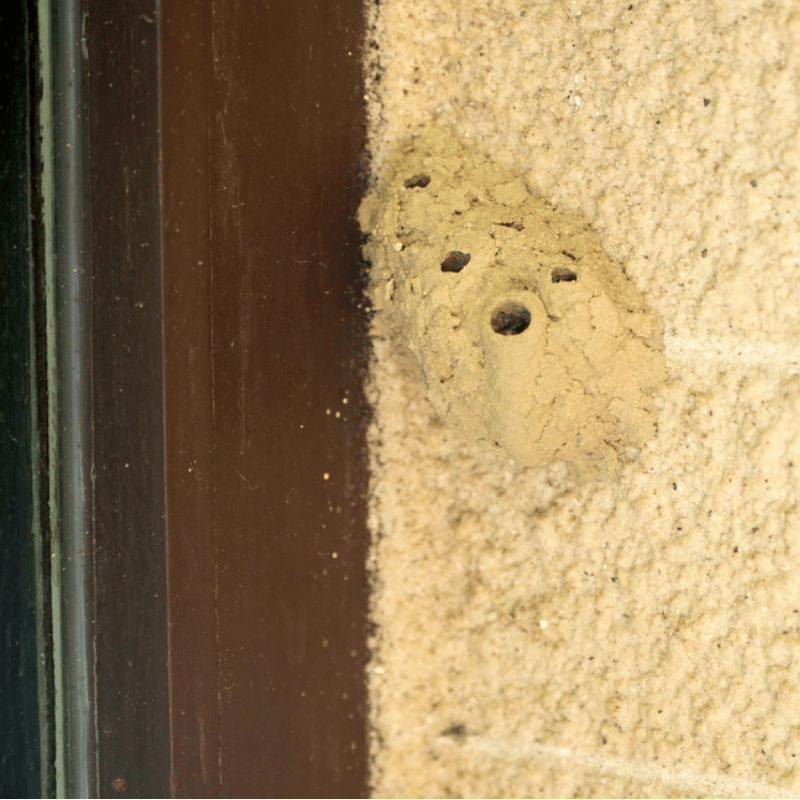 As New England temperatures begin to drop in September and October, pests face a critical survival challenge. The insects, rodents, and wildlife that thrived outdoors all summer suddenly need to find warm shelter, reliable food sources, and protection from harsh weather.
Your home offers everything they’re looking for: consistent warmth, accessible food in kitchens and pantries, water from plumbing fixtures, and countless hiding spots in walls, attics, and basements. The combination of dropping outdoor temperatures and the abundance of resources inside makes fall the most critical time for pest prevention.
Common Fall Invaders in New England:
Mice and rats are perhaps the most problematic fall invaders. These rodents can squeeze through impossibly small openings and reproduce rapidly once inside. A single pair of mice can produce 50-60 offspring in just one year, turning a minor problem into a major infestation quickly.
Spiders follow insects indoors, setting up webs in corners, basements, and garages. While most are harmless, their presence indicates other pest problems since they’re hunting the insects already in your home.
Stink bugs congregate on sunny exterior walls in fall before finding cracks to slip through. Once inside, they hibernate in wall voids and attics, emerging on warm winter days to become a nuisance.
Ladybugs (Asian lady beetles) swarm homes in fall, seeking protected overwintering sites. They can gather by the hundreds or thousands in attics and wall voids, creating unpleasant odors and staining surfaces.
Cockroaches seek warmth and moisture as temperatures drop. These resilient pests can trigger allergies and asthma, contaminate food, and spread bacteria throughout your home.
Five Ways to Protect Your Home from a Pest Invasion
Don’t risk a pest infestation at your home or business this autumn. Here are five preventative measures you can take to ensure all unwanted houseguests stay outside where they belong:
1. Seal Potential Entrances
Not-so-fun fact: Insects need only 1/16 of an inch to crawl into your house, while a mouse only requires 1/4 inch. In short, even the tiniest gaps, cracks, and crevices can enable a multitude of bugs and vermin to enter your home.
Fall is the perfect time to thoroughly assess your building exterior for any structural compromises. Walk around your entire property, paying special attention to:
Foundation and basement areas where the concrete meets siding or where utility lines enter the building. These junctions often develop gaps over time as materials expand and contract with temperature changes.
Window and door frames can develop gaps as caulking deteriorates or frames settle. Check both the exterior and interior sides, and don’t forget basement windows that are often overlooked.
Roof soffits and fascia boards provide easy access to attics for rodents and insects. Look for gaps where these components meet the roofline or where they’ve been damaged by weather or woodpeckers.
Vents and exhaust fans should have properly fitted screens or covers. Dryer vents, bathroom exhaust vents, and attic ventilation systems can all serve as pest highways if not properly protected.
Garage doors rarely seal perfectly against the ground. Installing or replacing door sweeps creates a barrier that prevents mice, insects, and snakes from slipping underneath.
It’s important to properly seal any unnecessary openings using appropriate materials. Steel wool combined with caulk works well for small gaps that mice might chew through. Expanding foam fills larger voids but should be covered with metal flashing if rodents are a concern. Weather stripping around doors and windows prevents both pest entry and heat loss.
2. Install a Chimney Screen
Birds, bats, squirrels—a menagerie of wildlife can use your chimney as a tunnel to get inside your home. Chimneys are particularly attractive to animals because they provide a dark, protected space that mimics natural nesting sites like hollow trees.
If your house currently has an open chimney vent, you should consider installing a cap. This will dramatically reduce the possibility of a pest invasion while also preventing rain, snow, and debris from entering your chimney. Chimney caps also improve draft efficiency and prevent downdrafts that can fill your home with smoke.
Benefits of chimney caps:
A properly installed chimney cap keeps out raccoons, which are notorious for nesting in chimneys and can cause significant damage trying to escape once trapped. Squirrels and birds also frequently fall into uncapped chimneys, creating distressing situations for both the animals and homeowners.
Bats use chimneys as roosting sites, and while they’re beneficial for insect control outdoors, you don’t want them in your home. Bat droppings (guano) can accumulate in chimneys and pose health risks, and bats can find their way into living spaces through fireplace dampers.
Chimney caps should be professionally installed to ensure proper fit and function. The mesh should be fine enough to exclude insects but coarse enough to allow proper ventilation and prevent creosote buildup.
3. Consider Your Trash Routine
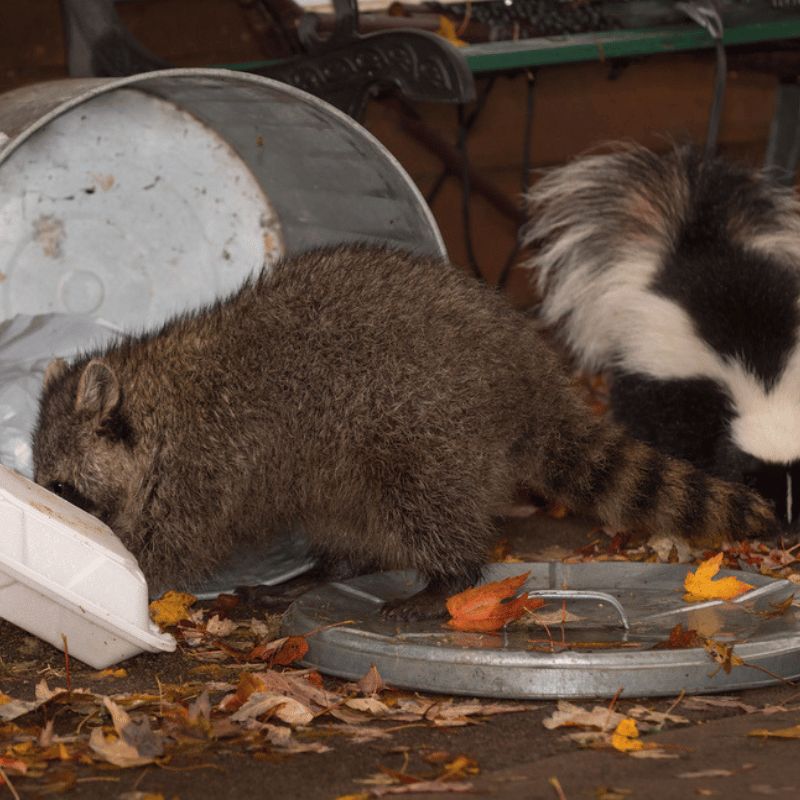 Animals love dining on your leftovers. They often make a beeline right to your trash bins to see what was on the menu earlier. If your waste cans are close to your home, this can lure bugs and rodents inside to look for a second course.
Improving your waste management:
Investing in airtight lids for your bins is a smart move that prevents odors from attracting pests and keeps animals from accessing contents. Metal or heavy-duty plastic cans with locking lids work best—lightweight bins with loose lids are easily tipped over by raccoons and other wildlife.
Try storing containers as far from your home’s entrance as possible, therefore minimizing the chance that a pest will make its way inside on trash day. Ideally, keep bins at least 20-30 feet from doors and windows. If you must store trash near your home, consider a secure enclosure that prevents animal access.
Rinse food containers before disposing of them to reduce odors that attract pests. Take trash out regularly rather than letting it accumulate, especially during warmer fall days when decomposition accelerates. Clean your bins periodically with a hose and disinfectant to eliminate residual odors and bacteria.
Composting considerations:
If you compost, use a properly designed bin with secure lids and avoid adding meat, dairy, or oily foods that attract rodents. Position compost bins away from your home and turn contents regularly to speed decomposition and reduce odors.
4. Cut Off Water Supply
Another not-so-fun fact: Cockroaches can go a solid month without food, but will die after one week without water. Eliminating water sources is one of the most effective pest control strategies because all living creatures need moisture to survive.
Exterior water management:
Turn off your exterior hoses as soon as you can during the fall season. Drain hoses completely and store them indoors to prevent freeze damage. Shut off interior shut-off valves for outdoor faucets to prevent pipe bursts during freezing weather.
You should also clean out your gutters to ensure they properly drain water away from your home. Clogged gutters create standing water that attracts mosquitoes (which can remain active into fall), and overflow can saturate soil near your foundation, creating moisture problems that attract pests.
Ensure downspouts direct water at least 5-6 feet away from your foundation. Standing water near your home’s perimeter creates ideal conditions for pests and can lead to foundation problems and basement moisture issues.
Interior moisture control:
Additionally, you should keep your sink dry and fix any leaking appliances to prevent animals from hydrating inside your property. Even small drips provide sufficient water for insects and rodents. Check under sinks, around toilets, and near water heaters for leaks or condensation.
Use dehumidifiers in damp basements and crawl spaces to reduce moisture levels below 50%, making these areas less hospitable to pests. Ensure bathroom exhaust fans vent to the exterior and use them during and after showers to remove moisture.
Fix any roof leaks promptly, as water damage in attics creates ideal conditions for insects and can attract rodents seeking nesting materials. Proper ventilation in attics and crawl spaces prevents condensation that attracts pests.
5. Eliminate Debris on Your Property
Do you have fallen leaves, woodpiles, and debris clusters near your home? You may be offering pests warm, temporary housing before they make their way inside. Insects and rodents love an unkempt property that offers plenty of hiding spaces and shelter from the elements.
Yard maintenance for pest prevention:
Keeping your property clear of foliage, firewood, and branches can prevent pests from getting too comfortable in your yard. Rake and remove fallen leaves regularly, especially near your foundation. Leaf piles provide perfect hiding spots for mice, snakes, and insects while retaining moisture that attracts additional pests.
Store firewood at least 20 feet from your home and elevate it off the ground on a rack. Wood piles stacked against your house create a bridge for termites, carpenter ants, and rodents to access your home. Inspect wood for signs of insect activity before bringing it indoors.
Trim tree branches and shrubs so they don’t touch your home’s exterior. Overhanging branches provide highways for squirrels, ants, and other pests to access your roof and upper levels. Maintain a clear zone of at least 12-18 inches between vegetation and your home’s siding.
Additional landscaping tips:
Remove dense ground covers and mulch from directly against your foundation, replacing them with a 6-12 inch barrier of gravel or stone. This creates a dry zone that pests avoid and allows you to spot pest activity more easily.
Keep grass mowed short through fall to eliminate hiding spots for rodents and reduce tick habitat. Remove weeds and overgrown vegetation that provide cover for pests moving toward your home.
Clean up fallen fruit from trees promptly, as rotting fruit attracts wasps, flies, rodents, and other pests. If you have bird feeders, place them away from your home and clean up spilled seed regularly, as it attracts rodents.
Additional Fall Pest Prevention Strategies
Beyond the five main strategies, several additional steps can fortify your home against fall pest invasions:
Interior prevention measures include storing food in airtight containers rather than original packaging that pests can chew through. Keep pantries, cabinets, and storage areas clean and organized so you can spot signs of pest activity quickly. Vacuum regularly to remove crumbs and potential pest eggs or larvae.
Attic and basement inspections should be conducted in early fall before pests move in. Look for signs of previous infestations like droppings, gnaw marks, or nesting materials. Ensure these spaces are properly ventilated and free of moisture problems that attract pests.
Professional pest control services provide the most comprehensive protection. Our trained technicians can identify vulnerabilities you might miss, apply preventative treatments to create barriers before pests invade, and provide ongoing monitoring to catch problems early.
Just as our residential pest control services protect homes year-round and our commercial pest control keeps businesses pest-free, our fall prevention program creates a protective barrier that keeps seasonal invaders outside where they belong.
Frequently Asked Questions About Fall Pest Control
When should I start fall pest prevention?
Begin pest prevention measures in late August or early September before temperatures drop significantly. Pests start seeking indoor shelter when nighttime temperatures consistently fall below 50°F, which typically occurs in mid-to-late September in Northern Massachusetts and Southern New Hampshire. Starting early ensures your home is protected before the invasion begins.
What are the most common fall pests in New England?
Mice and rats are the most problematic fall invaders, followed by spiders, stink bugs, Asian lady beetles, cluster flies, and boxelder bugs. Cockroaches and ants also seek indoor shelter as temperatures drop. Each pest requires different prevention and control strategies, making professional identification and treatment valuable.
Can I handle fall pest prevention myself?
While homeowners can implement many preventative measures like sealing gaps and eliminating debris, professional pest control provides more comprehensive protection. Our technicians have the training to identify all potential entry points, access to professional-grade products that create longer-lasting barriers, and the experience to spot early signs of infestation that homeowners typically miss.
How much does professional fall pest control cost?
Costs vary based on property size, current pest pressure, and the extent of treatment needed. However, preventative treatment is always less expensive than treating an active infestation. Many homeowners find that year-round pest control programs offer the best value, providing continuous protection and peace of mind. Contact us for a free estimate tailored to your specific situation.
What happens if pests are already inside my home?
If you’re already seeing signs of pest activity indoors, immediate professional treatment is recommended. Fall infestations worsen quickly as pests reproduce and more individuals seek shelter. Our technicians can identify the pest species, locate entry points and nesting areas, eliminate current infestations, and implement prevention measures to stop future invasions. Don’t wait—early intervention prevents minor problems from becoming major infestations.
Protect Your Home This Fall
Pest Control Unlimited’s trained and experienced pest technicians can help you fortify your home against fall pests. We understand the specific challenges that Northern Massachusetts and Southern New Hampshire homeowners face as temperatures drop and pests seek indoor shelter.
Our comprehensive fall pest prevention program includes thorough property inspection to identify vulnerabilities, professional-grade exterior treatments that create a protective barrier, sealing of entry points to prevent pest access, and ongoing monitoring to ensure your home remains pest-free throughout fall and winter.
Don’t wait until you hear scratching in your walls or see droppings in your pantry. Proactive fall pest control is more effective, less expensive, and far less stressful than dealing with winter infestations when pests are already established in your home.
Ready to protect your home from fall pest invaders? Contact us today or call (888) 649-9919 to schedule your fall pest prevention service. Serving Northern Massachusetts and Southern New Hampshire with professional pest control solutions that keep your home comfortable and pest-free all season long.