
As spring arrives in Massachusetts and New Hampshire, your trees and grass wake up from winter dormancy. Unfortunately, so do the insects. Many pests like to overwinter on trees and shrubs, where they lay eggs and spend the warmer months feeding on leaves, bark, and new growth. While some insect activity is normal, heavy infestations of overwintering pests can lead to serious health issues for your trees and even death.
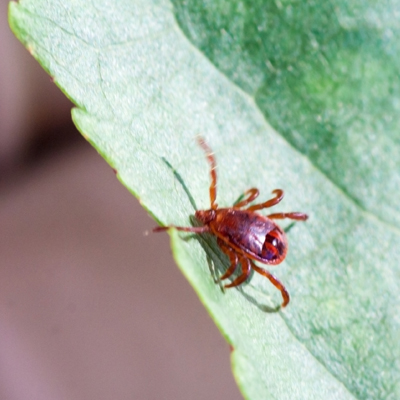 There’s a multitude of insects out there that feed on your landscape plants, and they also carry diseases that can spread to other trees. Scale insects, aphids, spider mites, and various egg masses can weaken your trees over time, making them vulnerable to environmental stress, disease, and structural failure.
Thankfully, fruit farmers and scientists have developed an effective solution over the years to combat these pests and ensure trees stay healthy. It’s called dormant oil, and it’s a vital tool in defending your landscape investments from destructive insects. Whether you’re protecting ornamental trees in your yard or fruit trees in your garden, understanding dormant oil application can make a significant difference in your tree health.
Ready to protect your trees this season? Call Pest Control Unlimited at (888) 649-9919 or contact us online to schedule a professional tree and shrub care consultation.
Key Takeaways
Before we dive into the details, here’s what Massachusetts and New Hampshire homeowners should know about dormant oil:
- Dormant oil suffocates overwintering insects and their eggs before they can damage trees in spring and summer.
- Timing is critical: Apply in late fall after leaf drop or early spring before bud break when temperatures are between 40°F and 70°F.
- Not all trees are suitable candidates: Some species are sensitive to oil sprays and can suffer phytotoxicity (plant damage).
- Proper coverage is essential: Thorough application to all bark surfaces ensures effectiveness.
- Professional application ensures correct product selection, timing, and coverage for best results.
- Dormant oil is eco-friendly: It breaks down quickly and poses minimal risk to beneficial insects when applied at the right time.
What Is Dormant Oil?
Dormant oil (also called horticultural oil) is a refined petroleum-based or plant-based oil applied to the branches and trunks of trees and shrubs to control overwintering insect pests. Modern formulations are typically made from highly refined mineral oil or occasionally cottonseed oil, combined with an emulsifier that helps the oil mix with water for even application.
Unlike chemical insecticides that rely on toxic compounds, dormant oil works through physical action. When properly applied, the oil forms a thin film over insect bodies, eggs, and overwintering larvae, effectively suffocating them by blocking their respiratory systems. This makes dormant oil an excellent choice for integrated pest management (IPM) programs focused on reducing chemical pesticide use.
Dormant oils were originally developed for fruit tree production, so they’re generally safe for humans, pets, and the environment when used according to label directions. The product breaks down relatively quickly after application and doesn’t leave harmful residues.
What Pests Does Dormant Oil Control?
Dormant oil is effective against a wide range of overwintering pests common in Massachusetts and New Hampshire, including:
- Scale insects (various species that feed on bark and leaves)
- Aphid eggs that overwinter on branches
- Spider mites and their eggs
- Adelgids (particularly harmful to hemlocks and other conifers)
- Mealybugs that hide in bark crevices
- Whitefly eggs on evergreens
- Pear psylla and other psyllid pests
- Various moth and butterfly eggs that can cause defoliation
- Overwintering stages of leaf miners
By targeting these pests before they become active in spring, dormant oil applications can significantly reduce pest pressure throughout the growing season.
When Should Dormant Oil Be Applied?
Timing is absolutely critical for successful dormant oil application. The product must be applied when trees are dormant (not actively growing) and when weather conditions allow the oil to work effectively without harming the plant.
Best Application Windows for MA & NH
In Massachusetts and New Hampshire, there are two optimal windows for dormant oil application:
| Application Period | Timing | Temperature Range | Advantages | Considerations |
|---|---|---|---|---|
| Late Fall | After leaf drop, before hard freeze | 40°F – 60°F | Targets overwintering pests early; less risk of new growth damage | Shorter weather window; must complete before deep cold sets in |
| Early Spring | Before bud break, after last hard freeze | 40°F – 70°F | Easier to assess pest presence; longer weather windows | Must finish before buds swell to avoid damage to emerging leaves |
For New England conditions, late March through early April is typically ideal for spring applications, while late October through early November works well for fall treatments. However, exact timing varies by year based on temperature patterns and specific tree species.
Weather Considerations
Temperature and weather conditions play a crucial role in dormant oil effectiveness and safety:
Ideal conditions:
- Air temperature between 40°F and 70°F
- Calm wind (less than 10 mph)
- Overcast or cloudy days
- No rain forecast for 24 hours after application
- Trees are completely dry before spraying
Avoid application when:
- Temperatures are at or near freezing (32°F or below)
- Hot, sunny days (above 80°F)
- Rain is imminent or trees are wet from recent precipitation
- Windy conditions that prevent accurate coverage
- Buds have started to swell or leaves are emerging
Applying dormant oil in freezing temperatures or on hot, sunny days can damage tree bark and foliage. The oil needs time to spread and penetrate before drying.
How to Apply Dormant Oil Safely and Effectively
 While some homeowners attempt DIY dormant oil application, professional application ensures proper product selection, coverage, and timing. Here’s what the process involves:
Step-by-Step Application Process
-
Identify Your Trees: Know exactly what species you’re treating. Different trees have different sensitivities, and some (like Japanese maples, certain evergreens, and some flowering trees) may not tolerate oil sprays well.
-
Select the Right Product: Fruit trees may require different formulations than ornamental trees or evergreens. Always read labels carefully to ensure the product is labeled for your specific tree type.
-
Mix According to Label Directions: Dormant oils must be diluted with water at the proper ratio. Too concentrated, and you risk plant damage; too dilute, and the treatment won’t be effective.
-
Use Appropriate Equipment: A pump sprayer or hose-end sprayer with adequate pressure is necessary. Professional applicators use specialized equipment that ensures even coverage and reaches high branches.
-
Achieve Complete Coverage: Spray all bark surfaces thoroughly, including the trunk, branches, and twigs. The oil must contact insects and eggs directly to work. Pay special attention to bark crevices where pests hide.
-
Apply Until Runoff: Spray until the oil begins to drip from branches, ensuring complete coating of all surfaces.
-
Clean Equipment Immediately: Oil can harden and clog sprayers if not cleaned promptly after use. Flush equipment thoroughly with soapy water.
Trees and Shrubs That Should NOT Receive Dormant Oil
Some species are sensitive to oil applications and can suffer leaf burn, discoloration, or other damage. Avoid applying dormant oil to:
- Japanese maples
- Smoketree
- Hickory
- Walnut
- Some blue-needled evergreens (blue spruce varieties)
- Cryptomeria
- Cedar
- Certain flowering shrubs during bud swell
If you’re unsure whether your trees are good candidates for dormant oil, consult with a professional arborist or tree and shrub care specialist.
DIY Dormant Oil vs. Professional Application
While dormant oil products are available at garden centers for homeowner use, professional application offers several advantages:
| Aspect | DIY Application | Professional Application |
|---|---|---|
| Tree Identification | Risk of misidentifying sensitive species | Trained specialists know which trees to treat and avoid |
| Product Selection | Limited options at retail; may not be optimal for your needs | Access to commercial-grade products formulated for specific pests |
| Equipment | Small pump sprayers may not reach tall trees or provide even coverage | Professional spray equipment ensures thorough coverage of entire canopy |
| Timing | Easy to miss optimal weather and dormancy windows | Professionals monitor conditions and schedule applications at ideal times |
| Coverage | Difficult to achieve complete coverage, especially on large or tall trees | Expertise and equipment ensure all bark surfaces are treated |
| Safety | Risk of ladder accidents, improper mixing, drift to non-target plants | Licensed applicators follow safety protocols and proper handling procedures |
| Effectiveness | Variable results due to coverage gaps or timing issues | Consistent, reliable pest control backed by expertise |
For small ornamental shrubs and young trees, DIY application may be feasible. However, for mature trees, valuable specimens, or heavy pest infestations, professional treatment is the safer and more effective choice.
Dormant Oil as Part of Comprehensive Tree Care
Dormant oil is just one component of a complete tree and shrub care program. To keep your landscape trees healthy and vigorous throughout the year, consider these additional practices:
Proper pruning: Remove dead, diseased, or crossing branches to improve air circulation and reduce pest habitat.
Mulching: Apply 2-4 inches of organic mulch around the tree base (not touching the trunk) to retain moisture and regulate soil temperature.
Watering: Newly planted and stressed trees benefit from deep, infrequent watering, especially during dry periods.
Fertilization: Professional soil testing and targeted fertilization support strong growth and pest resistance.
Monitoring: Regular inspections help catch pest and disease problems early when they’re easier to manage.
Integrated pest management: Combining dormant oil with other cultural, biological, and chemical controls (when necessary) provides the most effective long-term pest management.
Pest Control Unlimited offers comprehensive tree and shrub care programs for Massachusetts and New Hampshire properties that include dormant oil application, fertilization, pest monitoring, and disease management.
Other Pests Threatening Your Property
While your trees and shrubs contend with overwintering insects, your home faces its own pest threats throughout the year. In Massachusetts and New Hampshire, common household pests include:
- Rodents seeking warmth and food indoors during colder months
- Ants (especially carpenter ants) that can damage wood structures
- Ticks carrying Lyme disease and other illnesses
- Mosquitoes breeding in standing water around your property
- Stinging insects like wasps, hornets, and yellow jackets building nests in spring
- Bed bugs that require specialized treatment
- Spiders entering homes in fall as temperatures drop
It’s hard to keep pests out no matter how diligent you are. That’s why Pest Control Unlimited offers comprehensive residential pest control services designed to protect your home and family year-round.
Frequently Asked Questions
1. Is dormant oil safe for pets, children, and beneficial insects?
When applied correctly during dormancy, dormant oil is very safe. It poses minimal risk to humans and pets once it dries. Because application occurs before most beneficial insects are active (early spring or late fall), impact on pollinators and natural predators is minimal. However, keep pets and children away from treated areas until the oil has completely dried, typically 2-4 hours depending on conditions.
2. How much does professional dormant oil application cost?
Cost varies based on the number, size, and height of trees being treated, as well as property accessibility. For residential properties in Massachusetts and New Hampshire, expect to pay between $150 and $500 for dormant oil application, with larger properties or extensive tree coverage costing more. Many homeowners include dormant oil as part of an annual tree and shrub care program, which provides better value and comprehensive protection. Contact Pest Control Unlimited for a free assessment and quote.
3. Will one dormant oil application solve my pest problems?
Dormant oil is highly effective at controlling overwintering pests, but it’s not a permanent solution. New pests can arrive later in the season via wind, birds, or neighboring plants. For persistent pest problems, you may need additional treatments during the growing season using insecticidal soaps, targeted pesticides, or other IPM methods. A comprehensive tree and shrub care program addresses pests at multiple points in their life cycle for best results.
4. Can I apply dormant oil to fruit trees I plan to harvest?
Yes, dormant oil is ideal for fruit trees because it’s non-toxic and breaks down quickly. In fact, it was originally developed for fruit tree production. When applied during dormancy (before flowering), there’s no risk of residue on fruit at harvest time. Dormant oil helps control pests like scale, mites, and aphids that can reduce fruit yield and quality. Just make sure you use a product labeled for fruit trees and follow all label directions.
5. What happens if dormant oil is applied at the wrong time?
Applying dormant oil after bud break or when leaves are present can cause significant damage, including leaf burn, discoloration, stunted growth, or even defoliation. If applied during freezing temperatures, the oil can damage bark tissues. If applied on hot, sunny days, it can cause phytotoxicity (plant injury from the treatment). This is why professional timing is so important. Experienced applicators monitor weather conditions and tree phenology (growth stages) to ensure safe, effective treatment.
Protect Your Trees With Professional Care
Your landscape trees are valuable assets that provide shade, beauty, privacy, and environmental benefits. Protecting them from pest damage with dormant oil applications is a smart investment in their long-term health and your property value.
While DIY dormant oil application is possible for small trees and shrubs, professional treatment ensures proper timing, complete coverage, and species-appropriate product selection. Pest Control Unlimited’s tree and shrub care specialists have the training, equipment, and experience to protect your trees safely and effectively.
Ready to give your trees the protection they need? Call Pest Control Unlimited today at (888) 649-9919 or contact us online to schedule your dormant oil application or discuss a complete tree and shrub care program. We proudly serve residential and commercial properties throughout Massachusetts and New Hampshire with expert pest management and plant health care solutions.
Don’t wait until pests damage your valuable trees. Take proactive steps this season to keep your landscape healthy and beautiful year-round.