
Every spring and summer, Massachusetts homeowners face the same frustrating visitor: ants. Whether it’s a single scout marching across your kitchen counter or an entire colony invading your pantry, ants are among the most persistent pests in New England. From tiny odorous house ants to destructive carpenter ants that tunnel through structural wood, these insects follow predictable patterns—and understanding those patterns is your first step toward elimination.
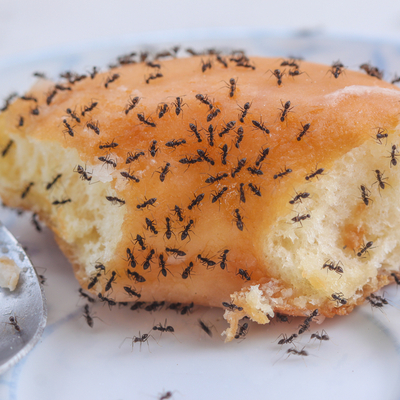
Ants are highly social insects that live in colonies ranging from a few hundred to hundreds of thousands of individuals. When temperatures warm in Massachusetts—typically from late April through early October—ant activity surges as colonies emerge from winter dormancy and workers forage aggressively for food and water. A single scout ant in your kitchen today can become a highway of thousands within 48 hours if the colony receives the “all clear” signal.
The good news? Most ant infestations can be prevented with consistent sanitation and exclusion practices. When prevention fails, a combination of DIY methods and professional treatment can eliminate even stubborn colonies.
If you’re dealing with persistent ants or suspect carpenter ant damage in your Massachusetts home, contact Pest Control Unlimited at (888) 649-9919 or request a free inspection. Our team provides comprehensive ant control solutions throughout Massachusetts.
Key Takeaways
Essential facts about ant control in Massachusetts homes:
- Scout ants are searching for food sources to report back to their colony; eliminating them early prevents larger infestations
- Spring emergence (April-May) and late summer activity (August-September) are peak ant seasons in Massachusetts
- Carpenter ants pose structural risks by tunneling through wood, especially in homes with moisture issues or damaged timber
- Consistent sanitation—storing food properly, cleaning spills immediately, and maintaining clean surfaces—is your best prevention strategy
- Ant trails can be disrupted with vinegar solutions or natural deterrents, but eliminating the colony requires targeting the nest
- Professional treatment is most effective for carpenter ants, large infestations, or recurring problems that DIY methods can’t resolve
Common Ant Species in Massachusetts
Not all ants pose the same threats. Identifying which species has invaded your home helps determine the most effective treatment approach.
Ant Species Overview
| Ant Type | Appearance | Primary Threat | Peak Season |
|---|---|---|---|
| Carpenter Ants | Large (¼–½ inch), black or red/black | Structural damage to wood | Spring (April-June) |
| Odorous House Ants | Small (⅛ inch), dark brown/black | Food contamination; strong smell when crushed | Late spring through fall |
| Pavement Ants | Small (⅛ inch), brown | Nesting under foundations, driveways, patios | Early spring (March-May) |
| Pharaoh Ants | Tiny (1/16 inch), yellow/light brown | Difficult to eliminate; spreads diseases | Year-round indoors |
| Acrobat Ants | Small (⅛ inch), brown/black | Nests in damaged wood; can bite | Summer (June-August) |
Carpenter ants deserve special attention in Massachusetts. These large ants don’t eat wood like termites, but they excavate galleries for nesting, causing significant structural damage over time. They’re particularly attracted to moisture-damaged wood, making homes with roof leaks, plumbing issues, or poor ventilation especially vulnerable.
If you see large black ants, especially near windows, doors, or in basements, or if you notice small piles of wood shavings (frass) near baseboards or wooden structures, carpenter ants may be present. These infestations require professional intervention to locate and eliminate the parent colony.
Immediate Steps: Disrupting Ant Trails
When you first notice ants marching in a line across your countertop or along your baseboards, they’re following a pheromone trail laid down by scout ants. Disrupting this trail is your first line of defense.
Natural Trail Disruptors
Vinegar solution: Mix equal parts white vinegar and water in a spray bottle. Spray directly on ants, along their trail, and on entry points like windowsills and door frames. The acetic acid in vinegar erases pheromone trails and acts as a deterrent. Wipe the area clean after spraying.
Essential oils: Ants avoid strong scents like peppermint, tea tree, lavender, and citrus. Add 10–15 drops of essential oil to a cup of water and spray along ant trails and entry points. Reapply every few days, as the scent fades quickly.
Dish soap solution: A few drops of liquid dish soap in water disrupts ants’ ability to navigate and can kill ants on contact by breaking down their exoskeleton. Spray directly on visible ants and wipe away.
Chemical Disruptors
If natural methods aren’t effective, look for ant sprays containing pyrethrin or bifenthrin, which kill ants on contact and provide short-term residual protection. For persistent trails, products with boric acid are highly effective but must be used carefully around children and pets. Always follow label instructions precisely.
Important: Follow the trail to find its source—typically a food spill, crumb accumulation, or sticky residue. Cleaning the attractant is just as important as disrupting the trail itself.
Prevention: Keep Ants Out of Your Home
Ant prevention revolves around two principles: eliminate food sources and block entry points. Massachusetts homes, especially older construction common throughout the Commonwealth, often have multiple access points that require attention.
Food Storage and Sanitation
Ants need three things to thrive: food, water, and shelter. Remove the first two, and your home becomes far less appealing.
Daily sanitation habits:
- Store food in airtight containers – Transfer opened boxes, bags, and packages into sealed plastic or glass containers; ants can chew through cardboard and thin plastic bags
- Clean dishes immediately – Don’t leave dirty dishes in the sink overnight; rinse plates and load them directly into the dishwasher
- Wipe down surfaces daily – Clean countertops, tables, and dining areas with soap and water to remove food residue, sticky spills, and crumbs
- Sweep and vacuum regularly – Floor-level crumbs are prime ant targets; vacuum under appliances and furniture weekly
- Empty trash frequently – Use trash cans with tight-fitting lids and take out garbage daily, especially in kitchens
- Clean up pet food – Don’t leave pet bowls out all day; feed at scheduled times and wash bowls between meals
Pro tip: Pay special attention to often-overlooked areas like toaster crumb trays, behind small appliances, inside pantry cabinets, and the spaces between appliances and countertops. These hidden zones accumulate crumbs and spills that attract scout ants.
Sealing Entry Points
Ants can squeeze through cracks as narrow as 1/32 inch—essentially invisible to the naked eye. Massachusetts’ seasonal temperature fluctuations cause building materials to expand and contract, creating new gaps each year.
Inspection and exclusion checklist:
- Inspect the foundation for cracks and gaps; seal with exterior-grade caulk or foam sealant
- Check window and door frames; replace worn weatherstripping and seal gaps with caulk
- Examine where utility pipes, cables, and wires enter your home; fill gaps with copper mesh or expanding foam
- Repair damaged screens on windows and vents
- Ensure door sweeps are intact and fit snugly against thresholds
- Seal cracks in exterior walls, especially around outdoor lights and electrical boxes
- Trim tree branches and vegetation that touch your home’s exterior (these act as “highways” for ants)
For carpenter ants specifically, address moisture issues that attract them to wood: fix roof leaks, repair plumbing issues, improve basement ventilation, and replace water-damaged timber.
Active Treatment: Eliminating Ant Colonies
When ants have already established a presence in your home, simply cleaning and sealing may not be enough. You need to eliminate the colony itself—and that means targeting the queen and the nest.
Ant Baits: The Most Effective DIY Method
Ant baits work by exploiting the insects’ social behavior. Worker ants carry the poisoned bait back to the colony, where it’s shared with other workers, larvae, and eventually the queen. When the queen dies, the colony collapses.
How to use ant baits effectively:
- Place bait stations near ant trails, but not directly on them (you want ants to find the bait naturally)
- Position baits near entry points, along baseboards, and in corners where ants are active
- Use multiple bait stations throughout affected areas
- Do not spray insecticides near baits—sprays will deter ants from entering bait stations
- Be patient; it can take 1–2 weeks for the colony to be eliminated
- Keep baits out of reach of children and pets
Best bait ingredients:
- Borax/boric acid baits (e.g., Terro) work well for sugar-feeding ants like odorous house ants
- Protein-based baits are more effective for grease-feeding ants and carpenter ants during certain times of year
- Gel baits can be applied in cracks and crevices where solid bait stations won’t fit
Massachusetts timing note: Ant dietary preferences change seasonally. In spring, when colonies are focused on reproduction, ants prefer protein. In late summer and fall, they shift to sugars for energy. If one bait type isn’t working, try switching to a different formulation.
Treating Outdoor Colonies
To truly control ants inside, you must address colonies on your property. Common nesting sites include:
- Ant mounds in lawns or garden beds
- Under pavement, patios, and stone walkways
- Inside rotting logs, tree stumps, or woodpiles
- Within mulch beds close to your foundation
- Behind retaining walls or landscape timbers
Outdoor treatment methods:
- Boiling water: Pour 2–3 gallons of boiling water directly into the nest entrance; repeat for several days
- Diatomaceous earth: Sprinkle food-grade DE around nest entrances and ant trails; the powder damages ants’ exoskeletons
- Outdoor insecticide granules: Apply granular ant killer directly to mounds and surrounding areas according to label directions
- Perimeter barrier sprays: Professional-grade perimeter treatments create a protective barrier around your foundation
For carpenter ants nesting in trees, stumps, or outdoor structures, locating and treating the nest directly is essential. Look for small piles of sawdust-like frass, listen for rustling sounds inside wood, and watch for ant activity at dusk when carpenter ants are most active.
When DIY Methods Aren’t Enough
If you’ve implemented prevention measures, used baits correctly, and treated visible colonies but ants continue appearing in your home, it’s time for professional help. Some situations require expert intervention from the start:
- Carpenter ant infestations that risk structural damage
- Large or multiple colonies that DIY baits can’t eliminate
- Recurring infestations that return year after year
- Pharaoh ants, which can split into multiple colonies when improperly treated
- Hidden nests inside walls, ceilings, or crawl spaces
Professional pest control companies like Pest Control Unlimited use integrated pest management (IPM) approaches that combine inspection, sanitation guidance, exclusion recommendations, targeted treatments, and follow-up monitoring. Licensed technicians have access to professional-grade products and application equipment not available to consumers, along with the training to use them safely and effectively.
Carpenter Ants: A Special Concern in Massachusetts
Carpenter ants are the most economically significant ant pest in Massachusetts. These large ants (often mistaken for termites) excavate smooth tunnels and galleries in wood to create nesting sites. Over time, this activity can weaken structural timbers, floor joists, wall studs, and roof rafters.
Signs of carpenter ant activity:
- Large black or red-and-black ants (¼–½ inch long) inside your home
- Piles of wood shavings (frass) near baseboards, windowsills, or in basements and attics
- Rustling or crackling sounds inside walls, especially at night
- Winged reproductive ants (swarmers) emerging indoors in spring
- Damage to wood that appears smooth and clean (unlike termite damage, which looks muddy)
Where carpenter ants nest:
- Moisture-damaged wood (roof leaks, plumbing leaks, poor ventilation)
- Exterior wood in contact with soil (deck posts, landscape timbers)
- Hollow doors, window frames, and wall voids
- Insulation in attics and crawl spaces
- Tree stumps, logs, and woodpiles on your property
If you suspect carpenter ants, don’t delay. Early intervention prevents costly structural repairs. Professional residential pest control services include thorough inspections to locate nests, assess damage, and implement targeted treatments that eliminate both the indoor satellite colony and the outdoor parent nest.
Related Pest Concerns in Massachusetts
While addressing ant problems, Massachusetts homeowners should be aware of other seasonal pest pressures that may require attention:
Spring and summer: As outdoor activity increases, tick control and mosquito control become essential for protecting your family from biting pests that transmit diseases.
Late summer and fall: Yellow jackets and hornets become aggressive as colony populations peak, and rodents begin seeking indoor shelter as temperatures drop.
Year-round: Indoor pests like cockroaches and spiders require consistent monitoring.
Many Massachusetts homeowners find that quarterly pest control programs provide comprehensive, proactive protection against the full range of seasonal threats rather than reacting to each problem individually.
Frequently Asked Questions
Why do I suddenly have ants in my Massachusetts home?
Ant activity surges in spring (April-May) when colonies emerge from winter dormancy and workers begin foraging for food and water. You may also see increased activity during hot, dry summers when outdoor food sources are scarce, or after heavy rains that flood outdoor nests and drive ants to seek shelter indoors. Even a microscopic crumb trail or small water source can attract scout ants that then recruit the colony.
How can I tell if I have carpenter ants or regular house ants?
Carpenter ants are significantly larger (¼–½ inch) than common house ants (⅛ inch or smaller) and are typically solid black or have red-and-black coloring. The clearest sign of carpenter ants is small piles of wood shavings (frass) that look like sawdust near baseboards, window frames, or in basements. You might also hear faint rustling sounds inside walls at night. If you see large ants consistently, especially near wood structures, suspect carpenter ants and call a professional for inspection.
Are ant baits safe to use around children and pets?
Most commercial ant baits contain low concentrations of active ingredients (typically borax or fipronil) designed to be carried back to the colony. The bait stations themselves are designed to limit access to the toxin. However, you should still place baits out of reach of children and pets, following all label instructions carefully. If a child or pet ingests bait, contact poison control or your veterinarian immediately. For homes with young children or curious pets, consider professional treatment with products applied in inaccessible locations.
How long does it take to eliminate an ant infestation?
Small infestations with proper baiting and sanitation can be resolved in 1–2 weeks as the colony consumes poisoned bait. Larger infestations, multiple colonies, or carpenter ant problems may take 4–6 weeks or longer, often requiring multiple treatments. Professional treatments typically show results within days, with follow-up visits ensuring complete elimination. The key is patience—rushing to spray insecticides or change methods too quickly often disrupts the process and allows the colony to survive.
Will ants go away on their own, or do I need to take action?
Ants will not leave voluntarily as long as your home provides food, water, and shelter. A few scout ants may disappear on their own if they don’t find resources, but once a colony establishes a trail and begins exploiting a food source, the problem will only grow. Carpenter ants are especially persistent and will cause increasing structural damage over time if left untreated. Taking action immediately—even just improved sanitation and exclusion—prevents minor problems from becoming major infestations.
Protect Your Massachusetts Home from Ant Infestations
Ant control requires a multi-pronged approach: consistent sanitation to eliminate attractants, structural exclusion to block entry points, targeted baiting to eliminate colonies, and professional intervention when DIY methods fall short. Massachusetts’ seasonal ant pressure means that spring and summer vigilance is especially important, but year-round prevention practices keep your home protected even during peak activity periods.
Don’t let a few scout ants become a full-blown infestation. By implementing the strategies outlined in this guide, you’ll make your home far less appealing to foraging workers and significantly reduce the likelihood of indoor ant problems.
If you’re dealing with persistent ants, suspect carpenter ant damage, or want professional protection for your Massachusetts home, Pest Control Unlimited is here to help. Our experienced technicians provide comprehensive inspections, customized treatment plans, and ongoing prevention strategies to keep ants out for good.
Call us today at (888) 649-9919 or schedule your free inspection online. Let us handle your ant problem so you can enjoy a pest-free home all year long.